Crowns and BridgesIn Leander, TX
Missing multiple teeth in a row? You don’t have to live with gaps in your smile. Dental crowns and bridges are securely attached restorations designed to stay in place, helping you eat, speak, and smile comfortably and confidently again.
What are dental crowns and bridges?
Dental crowns and bridges are proven restorative dentistry treatments used to repair damaged teeth and replace missing ones. When a tooth becomes too weakened or decayed to support a filling, a dental crown can be placed over it to restore its strength, shape, and appearance. Crowns are also commonly recommended following root canal therapy and may be used in cosmetic smile improvements.
A dental bridge replaces one or several missing teeth in a row. The restoration uses crowns placed on healthy teeth on each side of the gap. Between these crowns, an artificial tooth, called a pontic, is secured in place, filling the space and restoring both function and aesthetics.

.webp)
Your Care. Your Terms.
Everyone deserves access to quality dental care. That’s why we offer flexible financing options designed to work with your budget and lifestyle. Our team is ready to help you explore payment solutions that make treatment comfortable and affordable.
Healthcare Lenders
Membership Plan
In-Network With Most PPOs
Our Difference
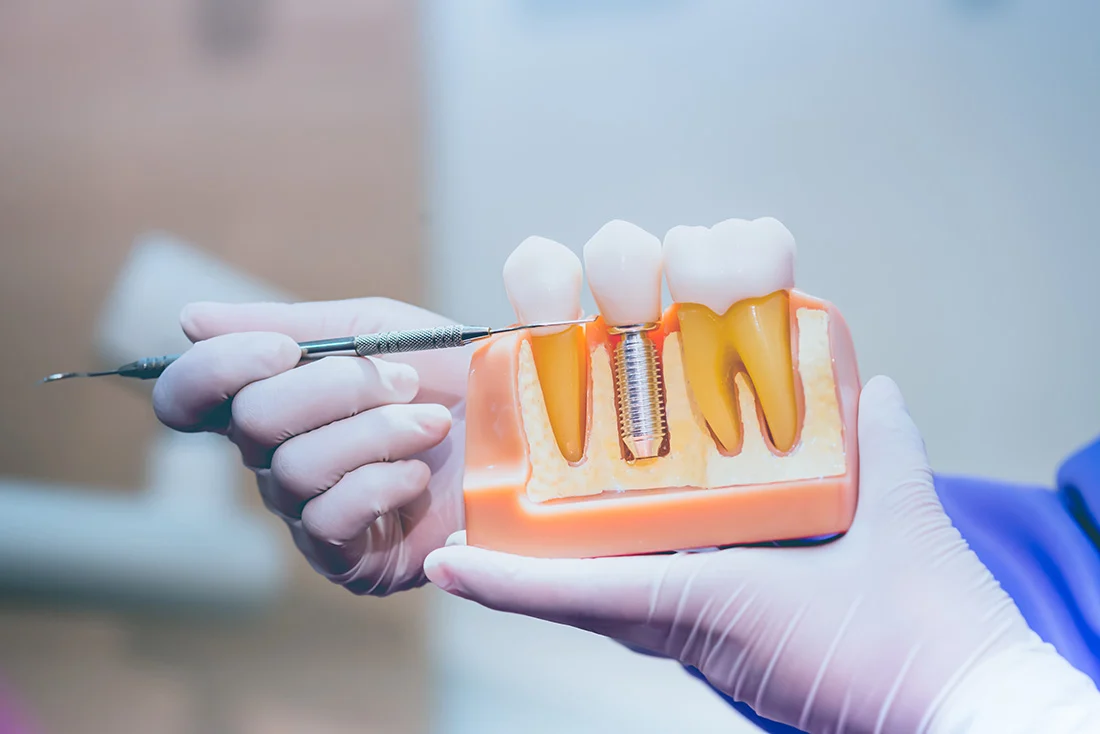
Dental Implants
You’ve got options when it comes to replacing missing teeth, including advanced dental implants designed to look, feel, and function like natural teeth. We’ll guide you through every step of the process to help you choose the solution that best fits your smile, lifestyle, and long-term goals.
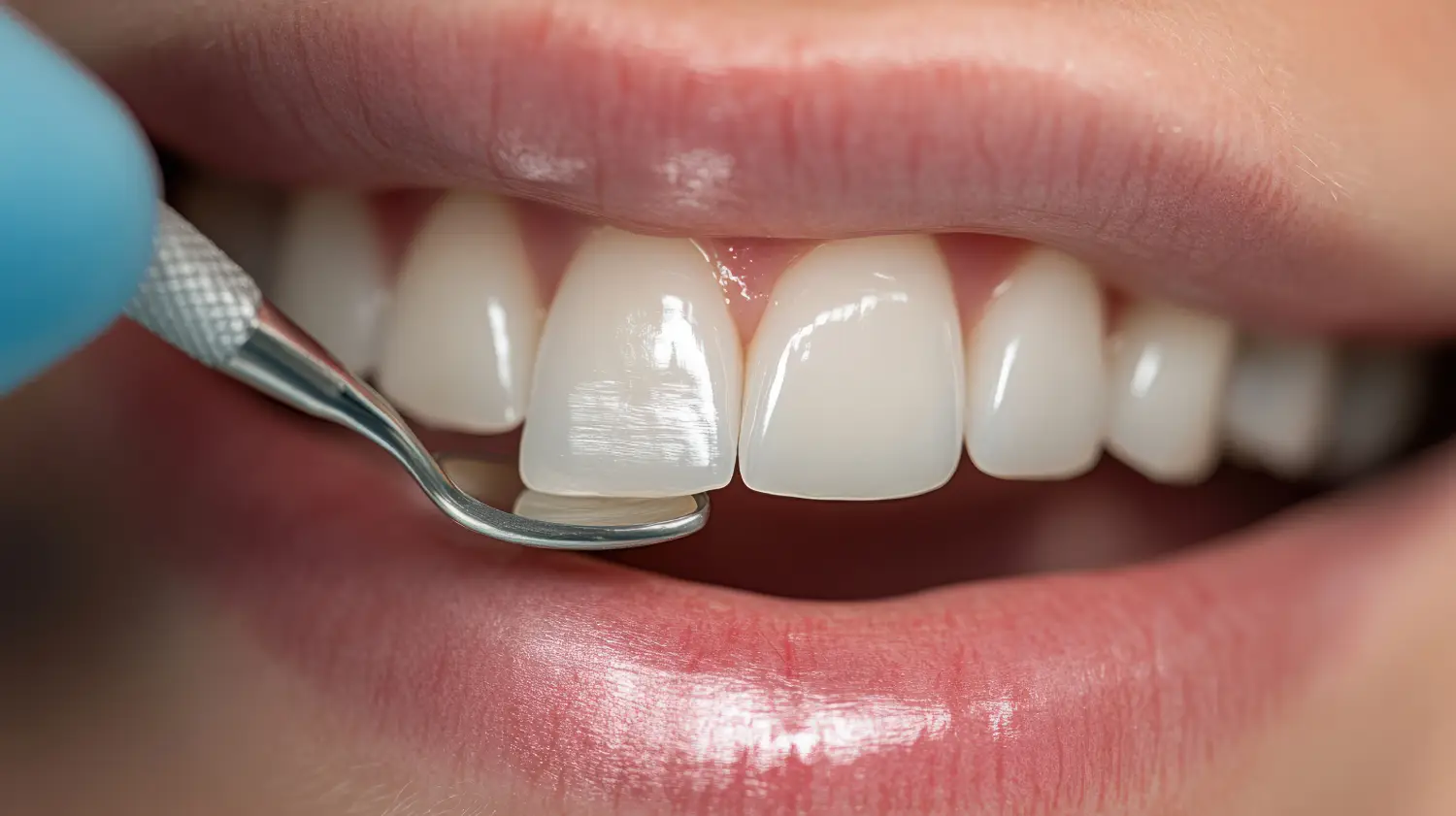
Trusted Labs
We partner with trusted, high-quality dental labs to craft our crowns and bridges with exceptional precision, durability, and natural aesthetics. By working with experienced technicians and premium materials, we ensure restorations that look beautiful, fit comfortably, and stand the test of time.

Restore Your Arch
Missing several teeth? Implant-supported bridges can restore an entire arch of teeth with a durable, natural-looking solution designed to improve comfort, stability, and confidence.
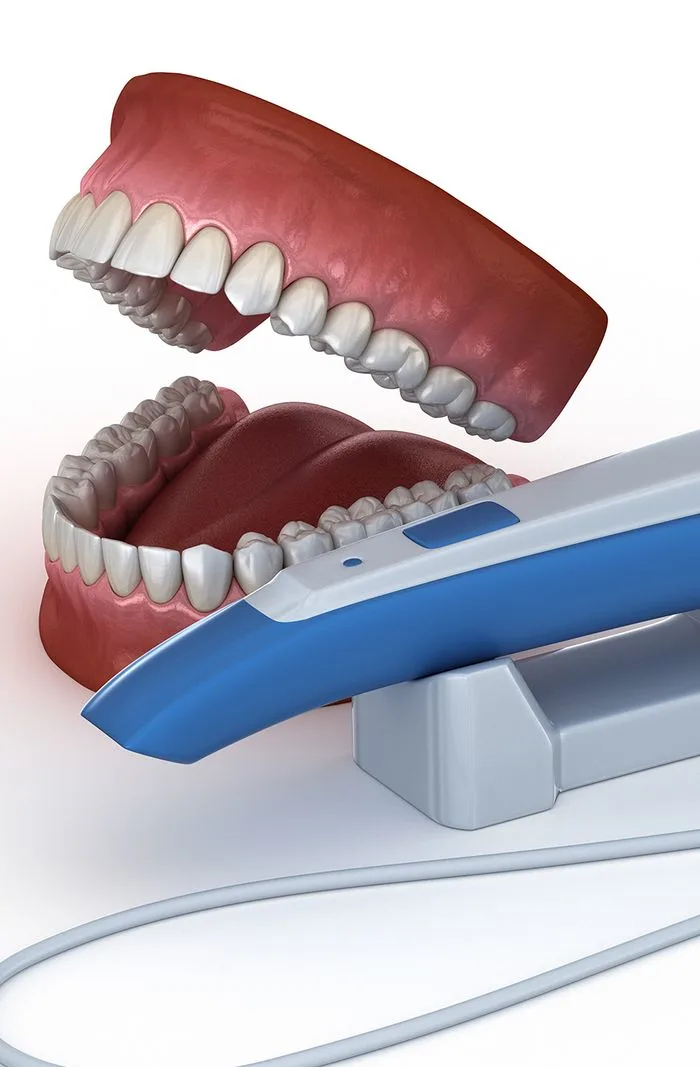
No Putty Necessary
Skip the messy impressions. Our 3D intraoral scanner captures detailed digital images of your teeth for a faster, cleaner, and more comfortable experience.

How dental crowns and bridges work together

Preparation of Abutment Teeth
Your dentist will gently numb your mouth to keep you comfortable throughout the procedure. The neighboring teeth, known as abutment teeth, are carefully reshaped by removing a small amount of enamel so the crowns can fit securely and naturally. This step ensures your bridge has a strong, stable foundation that supports long-term durability and function.

Impressions or Digital Models
Once your abutment teeth are prepared, your dentist will take highly detailed impressions or digital scans of your teeth and bite. These records are used to design a restoration that matches the exact size, shape, and color of your natural teeth. Precise measurements help ensure your crown or bridge feels comfortable and blends seamlessly into your smile.

Temporary Bridge
While your permanent restoration is being created, a temporary bridge or crowns may be placed to protect your prepared teeth. This temporary restoration helps maintain normal chewing and speaking ability while preventing sensitivity or damage. It also preserves spacing and alignment so your final bridge fits properly.

Final Placement
Once your dentist confirms that your bridge fits securely and comfortably, it is permanently bonded into place using strong dental cement. This step restores your ability to chew, speak, and smile with confidence. Your dentist will also provide care instructions to help protect your new restoration and maintain your oral health.
FAQs
Frequently Asked Questions
Check out these frequently asked questions, or call us to speak with our team.
Dental crowns and bridges are both restorative treatments designed to protect and rebuild damaged or missing teeth. A crown is used to restore a single tooth by covering it with a protective cap that restores strength, shape, and function. A dental bridge, on the other hand, replaces one or more missing teeth by using surrounding teeth or implants to support artificial replacement teeth. Both treatments help restore your bite and maintain the natural alignment of your smile.
The cost of crowns and bridges varies from patient to patient based on several factors, including your overall oral health, the type of restoration selected, and whether additional procedures such as extractions or implant placement are needed. Dental bridges used to replace missing teeth are often partially covered by insurance, which can help reduce out-of-pocket costs. The best way to receive an accurate estimate is to schedule a consultation so your dentist can evaluate your needs and discuss available treatment and financing options.
Although there are several types of bridges, they all function in similar ways. A dental bridge replaces missing teeth by attaching artificial teeth to nearby natural teeth using crowns or bonding frameworks. Fixed and cantilever bridges rely on dental crowns placed on neighboring teeth, while Maryland bridges use small metal or porcelain wings bonded to the back of adjacent teeth. Because bridges are securely anchored, they remain stable and do not shift like removable partial dentures, making them a convenient and reliable treatment option.
Dental crowns and bridges are commonly used to repair teeth that have been weakened by severe decay, fractures, or dental trauma such as accidents or injuries. By covering and protecting the entire tooth structure, crowns help prevent further damage while restoring appearance and functionality. These restorations are also frequently used after root canal therapy to reinforce treated teeth. In some cases, crowns and bridges may be recommended for cosmetic improvements when other treatments are not ideal.
With proper care and maintenance, most dental crowns and bridges can last up to 15 years or longer. The lifespan of your restoration depends on factors such as the materials used, your oral hygiene routine, and habits like teeth grinding or chewing hard objects. Same-day crowns may sometimes have slightly shorter lifespans, but they can still provide many years of reliable function when properly cared for. Regular dental visits and good home care are essential for maximizing longevity.
You can care for crowns and bridges much like you would your natural teeth. It is important to brush twice daily for at least two minutes, ensuring all surfaces of your teeth are cleaned thoroughly. Daily flossing is also essential to remove plaque and food debris around your restoration and along the gumline. Routine dental checkups every six months allow your dentist to monitor your restoration, ensure proper fit, and address any concerns early.
Dental crowns and bridges that are recommended for restorative purposes, such as repairing broken or severely decayed teeth, are often partially covered by dental insurance. The amount of coverage typically depends on your provider, deductible, and annual benefit limits. However, crowns or bridges placed primarily for cosmetic improvements may not be covered. Our team can help review your benefits and discuss payment options to help you plan for treatment.
Yes. Like all dental restorations, crowns and bridges can wear down or become damaged over time due to normal use from chewing, speaking, and daily activities. Most bridges last between 10 and 20 years, though longevity varies depending on oral hygiene habits, bite forces, and the type of restoration used. If your crown or bridge becomes loose, chipped, or worn, your dentist can evaluate whether repair or replacement is necessary.
Dental crowns and bridges can be made from a variety of durable materials depending on your needs and preferences. Many restorations use a strong metal or ceramic framework that provides stability and support, while porcelain or ceramic is used to create natural-looking tooth surfaces. Acrylic materials may sometimes be used for temporary crowns or bridges, but permanent restorations typically rely on stronger, longer-lasting materials designed to mimic the look and strength of natural teeth.